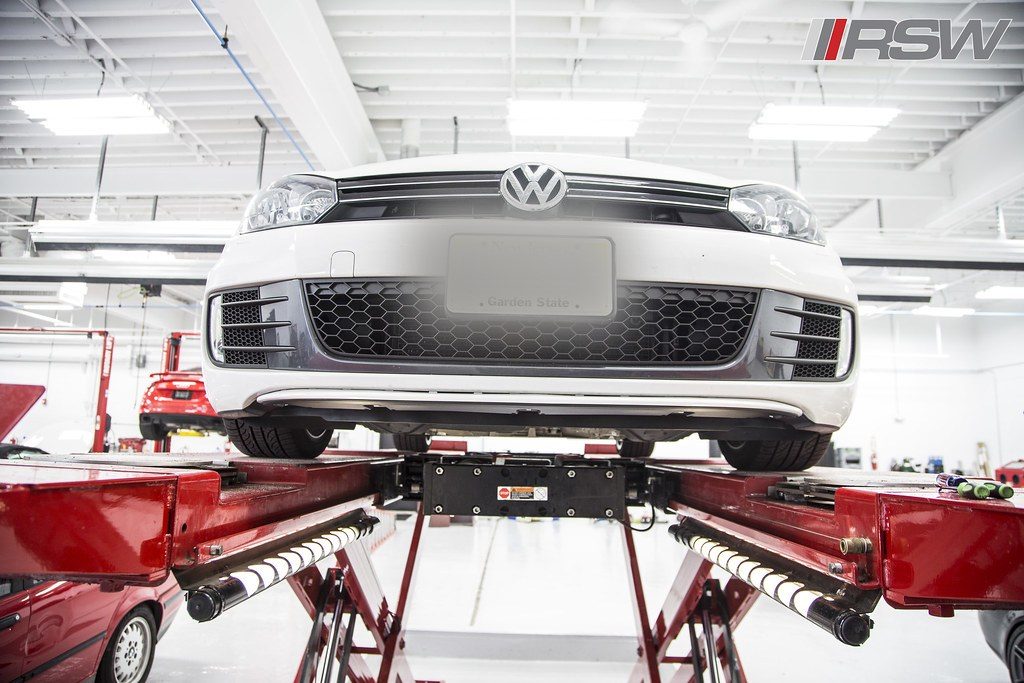
Wheel Alignment in Kinnelon, NJ
Four wheel alignment on our four wheel alignment rack, wheel balancing, and road force balancing for the vibration that ordinary balancing cannot fix.
Alignment and Balancing Done on the Right Equipment
Alignment is the service most often sold and least often done properly. A print out showing green numbers means nothing if the car was not measured at its real ride height, or if the suspension wear that caused the problem was never mentioned.
We align on our own alignment rack in house, which means we align after suspension work rather than sending the car elsewhere and hoping. Our sister store in Green Brook runs a flush mount rack that any ride height can drive onto, including lowered cars.
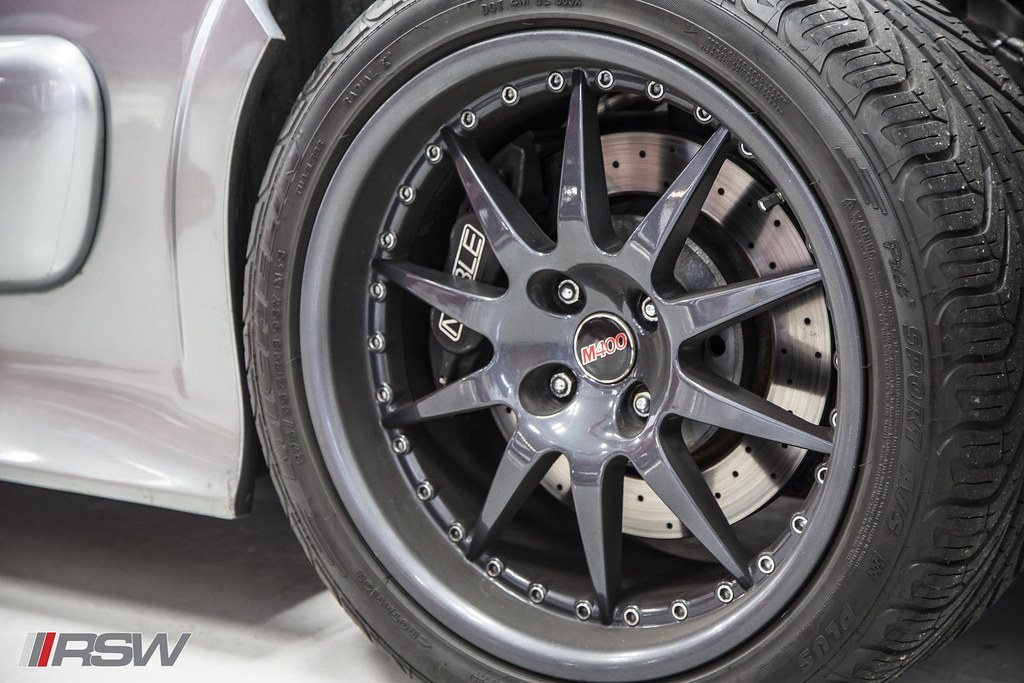
We also offer road force balancing, which is the answer to a vibration that keeps coming back after ordinary balancing. It measures the tire under load rather than just spinning it, so an out of round tire or a bent wheel gets found instead of chased.
Signs You Need an Alignment or a Balance
The car pulls to one side
Usually alignment, sometimes a dragging brake or an uneven tire. We check which before adjusting anything.
Steering wheel is off center
The wheel sits crooked while the car tracks straight. That is a toe adjustment, and it is a five minute check to confirm.
Vibration at highway speed
Ordinarily a balance issue. If a normal balance did not fix it, road force balancing usually finds an out of round tire or a bent wheel.
Uneven or feathered tire wear
Wear on the inner or outer edge points at camber or toe. Catching it early saves the tires rather than replacing them twice.
A clunk or rattle over bumps
That is suspension wear, not alignment. Aligning a car with worn bushings or ball joints does not hold, so we inspect first and say so.
New tires that wore out fast
A car that eats tires has an alignment or a worn component behind it. We find the cause rather than just selling another set.
What the Job Includes
- A four wheel measurement on our alignment rack, before and after, with the print out
- A ride height and suspension inspection first, because aligning worn components does not hold
- Camber, caster and toe set to the manufacturer specification for your car
- Steering angle sensor reset and recalibration where the vehicle requires it
- Tire pressure corrected and tire condition assessed as part of the job
- An honest recommendation if what you actually need is a suspension repair, not an alignment
How We Do It
- 1
Inspect first
We check ball joints, bushings, tie rods and ride height before touching an adjustment, because alignment on worn parts will not hold.
- 2
Measure on the rack
A four wheel measurement at the correct ride height, so the numbers describe the car as it actually sits.
- 3
Adjust to specification
Camber, caster and toe set to the manufacturer figures, not to a generic target.
- 4
Recalibrate
Steering angle sensor and, where fitted, driver assistance calibration so the car does not throw a warning afterwards.
- 5
Road test and confirm
We drive it, then show you the before and after print out.
Factory-Level Diagnostic & Programming Capabilities
We hold manufacturer level computer licenses across Mercedes, BMW, Porsche, Audi, Volkswagen, Volvo, Ford, GM, Jaguar and Land Rover, so module coding, adaptations and calibrations happen here rather than being referred out.
Many newer cars need the steering angle sensor reset and the driver assistance cameras recalibrated after an alignment. Without that access the car goes back to you with a warning light, which is why alignment on a modern European car is not a tire shop job.